Nevada legal malpractice law
How to sue your lawyer in Nevada.
Nevada gives you 2 years from discovery or 4 years from the damage, whichever comes first, to sue a lawyer. Here is how NRS 11.207 and its tolling rules work.
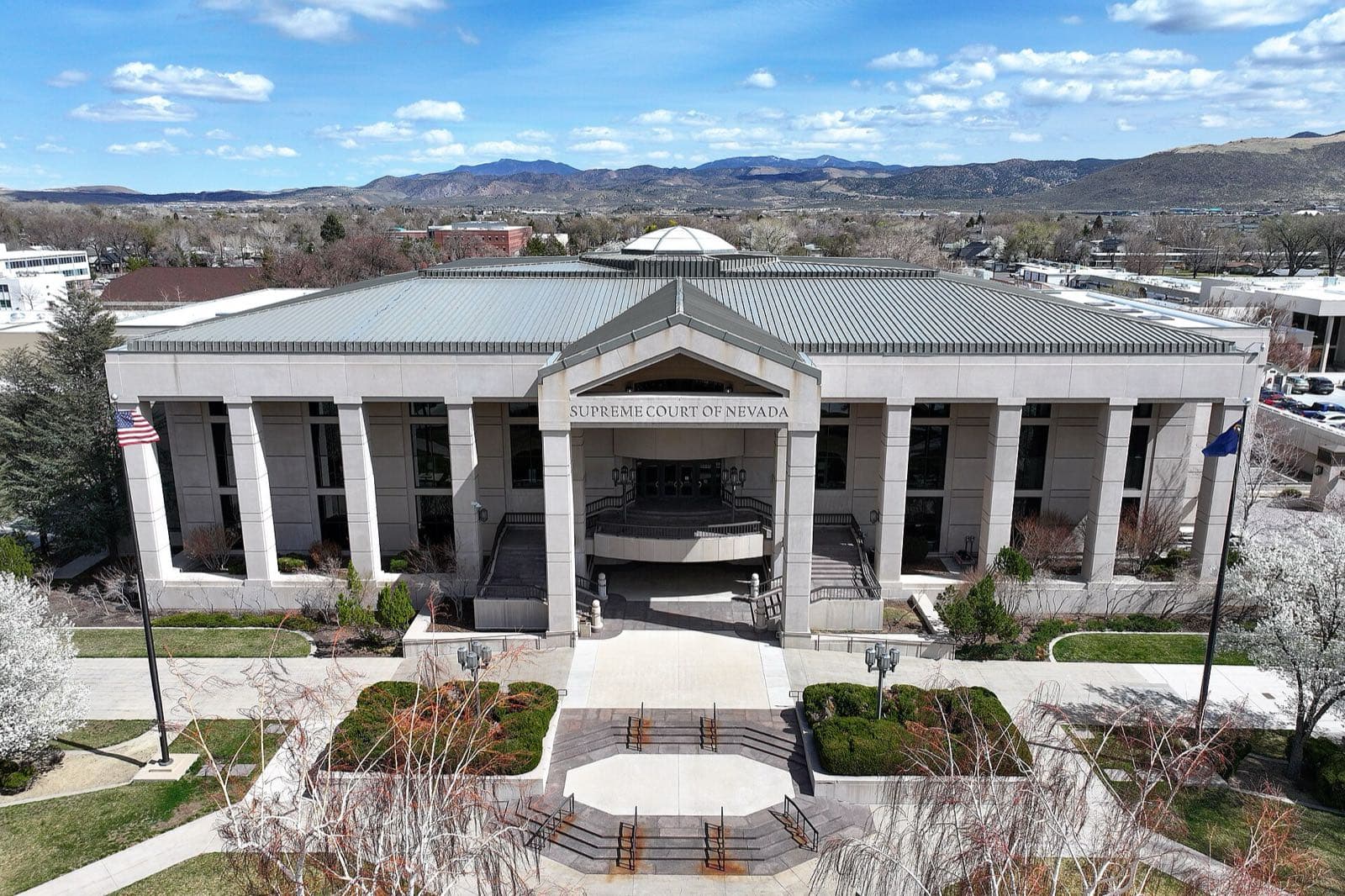
In Nevada, you have 2 years from when you discovered (or should have discovered) the lawyer's mistake, or 4 years from when you were damaged, whichever comes first, to file a legal malpractice lawsuit. That rule comes from NRS 11.207. If the mistake happened inside a lawsuit, Nevada courts pause the 2-year period until that lawsuit is finally over.
This page covers the Nevada deadline and its exceptions, what you must prove, the criminal case rule, and the bar programs for fee disputes and stolen money.
Key takeaways.
- In Nevada, you must sue a lawyer within 2 years of discovering the malpractice or 4 years after you were damaged, whichever comes first (NRS 11.207).
- When the mistake happened in a lawsuit, the Nevada Supreme Court has held the 2-year period is tolled until the underlying case is over.
- The deadline is also tolled while the lawyer conceals the error.
- Former criminal defendants must win appellate or postconviction relief and prove actual innocence before suing defense counsel.
- Fee disputes of $250 to $100,000 can go to the bar's free Fee Dispute Arbitration Program.
Check your Nevada claim.
1 of 6
Six quick questions. Free, private, no obligation.
Nevada at a glance.
Compare all states- Deadline to sue
- 2 years from discovery or 4 years from damage, whichever is earlierNev. Rev. Stat. § 11.207
- Clock starts
- The 2-year period starts when you discover, or with reasonable diligence should have discovered, the material facts of the claim; the 4-year period starts when you sustain damage.
- Discovery rule
- Yes
- Paused while lawyer still represents you
- Unsettled
- Outer limit (repose)
- None beyond the 4-years-from-damage limit in § 11.207
- Expert needed
- Usually needed to prove the standard of care and breach
- Certificate of merit
- Not required
- Criminal defense cases
- Must obtain appellate or postconviction relief and prove actual innocence (Morgano v. Smith)
- Stolen client money
- State Bar of Nevada Clients' Security Fund
- Lawyer discipline
- State Bar of Nevada, Office of Bar Counsel
- Malpractice insurance
- Not mandatory; lawyers in private practice must disclose to the bar whether they carry coverage, and the information is nonconfidential (SCR 79)
General rules only. Tolling, exceptions, and the facts of your case can change the deadline. Verified 2026-09-23.
How long do you have to sue a lawyer in Nevada?
NRS 11.207(1) says an action against an attorney for malpractice, whether based on a breach of duty or contract, must be filed within 4 years after the plaintiff sustains damage or within 2 years after the plaintiff discovers, or through reasonable diligence should have discovered, the material facts that make up the claim, whichever occurs earlier. A Nevada legal malpractice lawsuit must be filed by the earlier of 2 years from discovery or 4 years from the date of damage.
That "whichever is earlier" wording matters. A client who discovers the problem in year 3 after the damage does not get a fresh 2 years; the 4-year limit still controls. Our deadline table compares Nevada with other states.
Litigation malpractice tolling
Nevada has a court-made tolling rule for mistakes made while handling a lawsuit. In Brady, Vorwerck, Ryder & Caspino v. New Albertson's, Inc., 130 Nev. Adv. Op. 68 (2014), the Nevada Supreme Court held that the 2-year period in NRS 11.207, as revised in 1997, is tolled for attorney malpractice pending the outcome of the underlying lawsuit in which the malpractice allegedly occurred. In Nevada, the 2-year malpractice clock for a mistake made in litigation generally does not run until the underlying case is resolved. The court applied the rule again in Kim v. Dickinson Wright, PLLC, 442 P.3d 1070 (Nev. 2019), and held that it did not reach every claim in that case, so do not assume it covers yours. Advice on a contract, a will, or a business deal that was never litigated is not protected by this rule. The cases speak to the 2-year period, so the careful course is to file within 4 years of the damage.
Concealment
NRS 11.207(2) tolls the deadline for any period during which the attorney conceals the act, error, or omission, if the attorney knew or reasonably should have known of it.
Continuous representation
We did not find a Nevada appellate decision adopting a general continuous representation rule separate from the litigation tolling rule. Treat it as unsettled and do not rely on it.
What you have to prove in Nevada
Nevada's elements, as stated in Allyn v. McDonald, 112 Nev. 68, 910 P.2d 263 (1996), and repeated in later cases, are an attorney-client relationship, a duty owed to the client, a breach of that duty, and that the breach was the proximate cause of the client's damages. A Nevada malpractice plaintiff must prove four things: an attorney-client relationship, a duty, a breach, and damages proximately caused by the breach.
Being unhappy with the result is not enough. A lawyer who makes a reasonable strategic choice that does not work out has not necessarily committed malpractice; the question is whether the lawyer fell below what a reasonably careful lawyer would have done, and whether that made a difference. Our guide to signs your lawyer is committing malpractice walks through common warning signs.
Causation is where most claims are won or lost. You usually have to prove the case within a case, meaning you would have done better in the original matter without the mistake. See the case within a case, explained.
Experts and filing requirements
Nevada has no certificate of merit requirement for suits against lawyers. As a practical matter, most claims need an expert witness to explain the standard of care and how the lawyer fell short. Read more in our guide to the legal malpractice expert witness.
Criminal defense malpractice in Nevada
Nevada is strict. In Morgano v. Smith, 879 P.2d 735 (Nev. 1994), the Supreme Court held that a convicted person must obtain appellate or postconviction relief before suing former defense counsel, and must prove actual innocence of the underlying charge. The court repeated the postconviction relief requirement in Clark v. Robison, 944 P.2d 788 (Nev. 1997).
In Nevada, a former criminal defendant cannot sue defense counsel for malpractice without first getting the conviction or sentence overturned on appeal or postconviction review. Nevada law also limits claims against public defenders, and the rules differ from ineffective assistance claims. See our page on criminal defense malpractice.
If the problem is fees or missing money
The State Bar of Nevada runs a Fee Dispute Arbitration Program for disagreements between clients and Nevada lawyers over fees. Nevada's bar fee dispute program handles disputes from $250 to $100,000 and charges nothing, because the mediators and arbitrators volunteer. The process starts with mediation; binding arbitration happens only if both sides agree. It does not decide malpractice claims or misconduct. You start by submitting the Petitioner's Agreement for Arbitration of Fee Dispute. See our guide to fee dispute arbitration.
If a lawyer stole or mishandled your money, the bar's Clients' Security Fund may reimburse losses caused by dishonest conduct or mishandling of funds by a Nevada lawyer. It does not cover negligence. The bar says payments are a matter of grace in the committee's discretion, not a right, that you must show a reasonable attempt to recover from the lawyer, and that the committee meets twice a year. The bar's page does not publish a per-claim cap. Our client protection fund guide explains how to apply.
Filing a grievance with the Office of Bar Counsel
The State Bar of Nevada's Office of Bar Counsel investigates violations of the Nevada Rules of Professional Conduct. You can file a complaint online through the bar's website. The bar reports receiving about 1,500 grievances a year, and only a fraction lead to formal public discipline.
The bar's own FAQ says it does not handle legal malpractice claims and cannot award money damages or decide negligence, and that pure fee disputes go to fee arbitration. A Nevada bar complaint can lead to discipline, but it cannot pay you damages or extend the NRS 11.207 deadline. See malpractice versus a bar complaint.
Nevada does not require lawyers to carry malpractice insurance, but Supreme Court Rule 79 requires lawyers in private practice to tell the bar whether they do, and the carrier's name if they have a policy. That information is nonconfidential.
What to do next in Nevada
- Pin down two dates: when you were first damaged and when you learned of the mistake. The earlier deadline controls.
- If the mistake was in a lawsuit, note when that case ended, because tolling may apply.
- Request your client file. See how to get your case file.
- Match the problem to the remedy: fee arbitration for bills, the Clients' Security Fund for theft, bar counsel for ethics, and a lawsuit for losses caused by negligence.
If you think your lawyer's mistake cost you, a free case review takes about two minutes and can connect you with an independent attorney in Nevada who handles legal malpractice claims.
Common questions.
How long do I have to sue my lawyer in Nevada?
Under NRS 11.207, you must sue within 2 years after you discover, or reasonably should have discovered, the facts of the claim, or within 4 years after you were damaged, whichever comes first. The period is tolled while the lawyer conceals the error.
Is the deadline paused while my underlying case is on appeal in Nevada?
For mistakes made in litigation, the Nevada Supreme Court has held that the 2-year period is tolled until the underlying lawsuit is resolved. The rule does not cover every claim, so talk to a lawyer about how it applies to yours.
Do I need an expert to sue a lawyer in Nevada?
Nevada does not require a certificate of merit for claims against lawyers. In most cases, though, you will need an expert witness to explain the standard of care and how the lawyer breached it.
Can I sue my criminal defense lawyer in Nevada?
Only after you obtain appellate or postconviction relief from the conviction or sentence, and you must also prove actual innocence. The Nevada Supreme Court set this rule in Morgano v. Smith.
Where do I file a complaint against a lawyer in Nevada?
Complaints go to the State Bar of Nevada's Office of Bar Counsel, which accepts them online. The bar can discipline a lawyer but cannot award money damages or decide a malpractice claim.
How do I dispute a lawyer's bill in Nevada?
Use the State Bar of Nevada Fee Dispute Arbitration Program. It is free, handles disputes from $250 to $100,000, starts with mediation, and moves to binding arbitration only if both sides agree.
Sources.
Statutes, court rules, appellate opinions, and bar publications we relied on. See our editorial standards.
- 1.NRS 11.207, malpractice actions against attorneys (Nevada Legislature)
- 2.Brady, Vorwerck, Ryder & Caspino v. New Albertson's, Inc. (Nev. 2014) (CourtListener)
- 3.Kim v. Dickinson Wright, PLLC, 442 P.3d 1070 (Nev. 2019) (CourtListener)
- 4.Allyn v. McDonald, 112 Nev. 68 (1996) (CourtListener)
- 5.Amending the Peeler Doctrine, 56 Hous. L. Rev. 927 (2019) (state survey incl. Morgano v. Smith and Clark v. Robison)
- 6.State Bar of Nevada, Disputing a Lawyer's Fee
- 7.State Bar of Nevada, Clients' Security Fund
- 8.State Bar of Nevada, FAQs: Attorney Discipline
- 9.Nevada Supreme Court Rules (SCR 79 disclosures)