Idaho legal malpractice law
How to sue your lawyer in Idaho.
Idaho gives you just 2 years from the lawyer's mistake, starting once some damage occurs, with no discovery rule. Learn the rules and why coverage is mandatory.
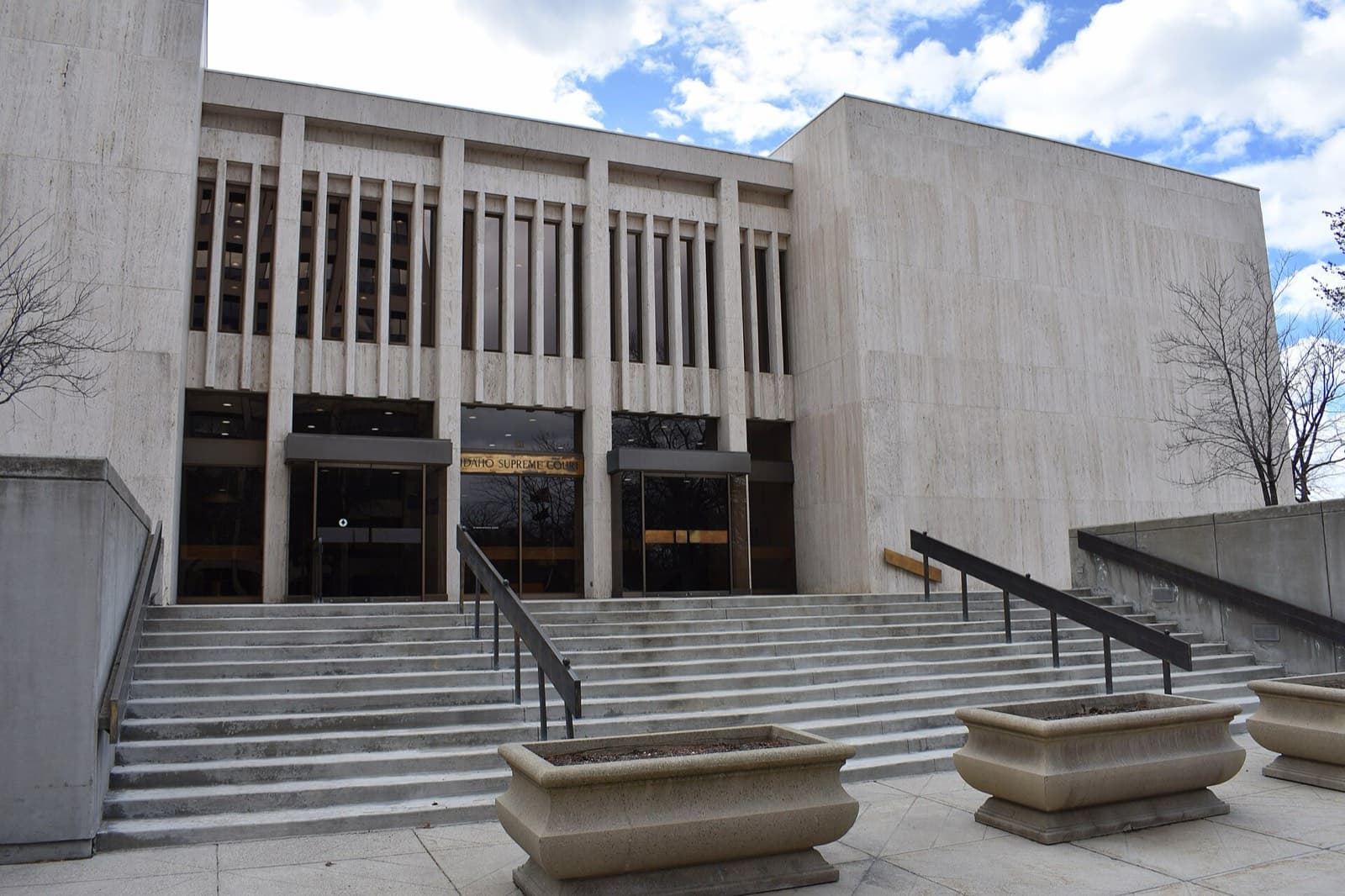
In Idaho you generally have just 2 years to sue your lawyer for legal malpractice, counted from the lawyer's act or omission once you have suffered some actual damage. Idaho does not wait for you to discover the mistake, so the deadline can pass quietly.
There is one piece of good news: Idaho is one of the few states that requires lawyers in private practice to carry malpractice insurance, which makes a valid claim more likely to be collectible. Here is how the deadline, the proof, and the bar's programs work.
Key takeaways.
- Idaho gives you only 2 years to sue a lawyer, under Idaho Code § 5-219(4).
- The clock runs from the lawyer's act, once there is objective proof of some damage, not from when you discover the mistake.
- The statute itself says a continuing lawyer-client relationship does not extend the deadline.
- For criminal cases, the 2 years start at exoneration, and you do not have to prove actual innocence (Molen v. Christian, 2017).
- Idaho lawyers who represent private clients must carry malpractice insurance of at least $100,000 per occurrence.
Check your Idaho claim.
1 of 6
Six quick questions. Free, private, no obligation.
Idaho at a glance.
Compare all states- Deadline to sue
- 2 years from the act (once some damage occurs)Idaho Code § 5-219(4)
- Clock starts
- The 2 years run from the act or omission complained of, but the claim does not accrue until there is objective proof of some actual damage.
- Discovery rule
- Limited
- Paused while lawyer still represents you
- No
- Outer limit (repose)
- None separate; the period runs from the act, with limited fraud-concealment extension
- Expert needed
- Required, except for obvious errors like a blown deadline
- Certificate of merit
- Not required
- Criminal defense cases
- Clock starts at exoneration; actual innocence not required (Molen v. Christian)
- Fee disputes
- Idaho State Bar Fee Arbitration Program
- Stolen client money
- Idaho State Bar Client Assistance Fund
- Lawyer discipline
- Idaho State Bar, Bar Counsel's Office
- Malpractice insurance
- Mandatory since 2018: $100,000 per occurrence / $300,000 aggregate (I.B.C.R. 302)
General rules only. Tolling, exceptions, and the facts of your case can change the deadline. Verified 2026-09-23.
How long do you have to sue a lawyer in Idaho?
Idaho Code § 5-219(4) sets a 2-year statute of limitations for professional malpractice, which includes lawyers. The statute says the claim accrues "as of the time of the occurrence, act or omission complained of." In Idaho, a legal malpractice lawsuit must be filed within 2 years of the lawyer's act or omission, once the client has suffered some actual damage.
The "some damage" rule
The Idaho Supreme Court reads the statute to require damage before the claim accrues. In Chicoine v. Bignall, 122 Idaho 482 (1992), it held a professional malpractice claim accrues only when there is objective proof supporting the existence of some actual damage. City of McCall v. Buxton, 146 Idaho 656 (2009), applied that rule to a lawyer: some claims accrued when the city released a claim or rejected a settlement offer on bad advice, while others did not accrue until the jury verdict in the underlying case. Paying attorney fees to defend a lawsuit caused by the lawyer's error can count as damage.
No discovery rule, no continuous representation
Idaho has only a narrow discovery rule. It applies to foreign objects left in the body and to damage the professional "fraudulently and knowingly concealed." In those cases you have 1 year from discovery or 2 years from the act, whichever is later. Otherwise, the statute says the period is not extended by continuing damage or "any continuing professional or commercial relationship." Idaho's statute expressly bars extending the malpractice deadline because the client kept working with the same lawyer. That rules out continuous representation tolling. The Idaho Supreme Court has said the only non-statutory bar to a limitations defense is equitable estoppel. Compare other states in the 50-state deadline table.
What you have to prove in Idaho
In Ciccarello v. Davies, 166 Idaho 153 (2019), the Idaho Supreme Court listed four elements: (1) an attorney-client relationship that creates a duty of care; (2) an act or omission breaching that duty; (3) the breach was a proximate cause of damage to the client; and (4) the fact and extent of the damages.
Where the mistake happened in a lawsuit, that usually means proving the case within a case, showing you would have done better without the error. See the case within a case explained. A reasonable call that did not work out is not a breach of the standard of care; see what is not legal malpractice.
Expert testimony
Idaho does not require a certificate of merit when you file, but expert proof comes quickly. In Greenfield v. Smith, 162 Idaho 246 (2017), the court held that when a lawyer moves for summary judgment, the client ordinarily must respond with expert affidavits explaining how the lawyer fell below the standard of care and how that caused damage. Idaho malpractice plaintiffs ordinarily need an expert witness, unless the error is so obvious a layperson can see it, such as letting a statute of limitations run. See legal malpractice expert witnesses.
Criminal defense malpractice in Idaho
Idaho has one of the clearest rules in the country. In Molen v. Christian, 161 Idaho 577 (2017), a defense lawyer arrived at trial intoxicated, and the client later won postconviction relief. The Idaho Supreme Court held that in Idaho, the 2-year statute of limitations for criminal defense malpractice does not begin to run until the client has been exonerated of the underlying conviction.
The same decision held that actual innocence is not an element of a criminal malpractice claim, reasoning that requiring it would conflict with the presumption of innocence. So a former defendant usually needs to win an appeal or postconviction relief first, but does not have to prove he did not commit the crime. See criminal defense malpractice.
If the problem is fees or missing money
Fee Arbitration Program
The Idaho State Bar's Fee Arbitration Program is free to both client and lawyer and is governed by Idaho Bar Commission Rules 701 to 708. A client files a Petition and Agreement; the lawyer then has 21 days to agree to be bound. Every client-initiated case goes to a volunteer mediator first, who has 30 days to settle it. If mediation fails and both sides agreed to arbitrate, disputes of $2,500 or less go to one attorney arbitrator, and larger disputes go to a panel of two attorneys and one non-attorney. Idaho fee arbitration is free, but it becomes binding only if both the client and the lawyer sign the agreement to be bound. See attorney fee dispute arbitration.
Client Assistance Fund
The Idaho State Bar's Client Assistance Fund reimburses losses from a lawyer's dishonest conduct, meaning theft, embezzlement, conversion, or refusing to return unearned fees paid in advance. It does not cover malpractice. The Idaho Client Assistance Fund pays no more than $25,000 on any one claim, and claims must be filed within 3 years after you knew or should have known of the dishonest conduct. See stolen client funds.
Filing a grievance with the Idaho State Bar
Grievances go to Bar Counsel's Office of the Idaho State Bar, in writing, using the grievance form packet. Include dates, names, amounts, and copies (not originals) of documents. Bar Counsel's Office can be reached at 208-334-4500.
The bar is direct about its limits: it cannot represent your individual interests, cannot give legal advice, and tells people not to wait for a grievance decision before taking legal action. An Idaho bar grievance can lead to discipline, but it will not compensate you, and it does not stop the 2-year malpractice clock. See legal malpractice vs. a bar complaint and how to file a bar complaint.
Mandatory malpractice insurance
Since January 1, 2018, Idaho Bar Commission Rule 302(a)(5) has required active lawyers who represent private clients to carry malpractice insurance of at least $100,000 per occurrence and $300,000 annual aggregate, and to certify it to the bar each year. That coverage floor matters when you weigh whether a claim is worth bringing. See does your lawyer have malpractice insurance.
What to do next in Idaho
- Act fast. Two years from the act is short. Write down when the mistake happened and when you first lost money because of it.
- Get your file. Request your complete client file in writing. See how to get your case file.
- Check for concealment. If the lawyer knowingly hid the damage, the statute's fraud exception may give you 1 year from discovery; that needs proof.
- Pick the right route. Fee disputes: fee arbitration. Theft: a grievance and the Client Assistance Fund. Lost case or bad advice: a malpractice review.
If you think your lawyer's mistake cost you, a free case review takes about two minutes and can connect you with an independent attorney in Idaho who handles legal malpractice claims.
Common questions.
How long do I have to sue my lawyer in Idaho?
Generally 2 years under Idaho Code § 5-219(4), counted from the lawyer's act or omission. The claim does not accrue until there is objective proof of some actual damage, but Idaho does not wait for you to discover the mistake.
Does staying with my lawyer extend the deadline in Idaho?
No. Idaho Code § 5-219(4) says the limitation period is not extended by any continuing professional relationship between the client and the lawyer.
Do I need an expert to sue a lawyer in Idaho?
Usually yes. Under Greenfield v. Smith (2017), a client facing a summary judgment motion ordinarily needs expert affidavits on the standard of care and causation. The exception is an obvious error, such as letting a statute of limitations run.
Can I sue my criminal defense lawyer in Idaho?
Yes, after you are exonerated. In Molen v. Christian (2017), the Idaho Supreme Court held the 2-year clock starts at exoneration and that actual innocence is not an element of the claim.
Are Idaho lawyers required to have malpractice insurance?
Yes. Since 2018, Idaho Bar Commission Rule 302 requires active lawyers who represent private clients to carry at least $100,000 per occurrence and $300,000 aggregate in professional liability coverage.
Where do I file a complaint against a lawyer in Idaho?
With Bar Counsel's Office of the Idaho State Bar, in writing, at 208-334-4500 for forms. A grievance can lead to discipline but does not pay you damages or pause your malpractice deadline.
Sources.
Statutes, court rules, appellate opinions, and bar publications we relied on. See our editorial standards.
- 1.Idaho Code § 5-219 (Idaho Legislature)
- 2.City of McCall v. Buxton, 146 Idaho 656 (2009) (Google Scholar)
- 3.Chicoine v. Bignall, 122 Idaho 482 (1992) (Google Scholar)
- 4.Molen v. Christian, 161 Idaho 577 (2017) (Google Scholar)
- 5.Ciccarello v. Davies, 166 Idaho 153 (2019) (Google Scholar)
- 6.Idaho State Bar: Fee Arbitration
- 7.Idaho State Bar: Client Assistance Fund
- 8.Idaho State Bar: Grievance FAQ
- 9.Idaho State Bar: 2018 Malpractice Coverage Requirement (I.B.C.R. 302)