Alabama legal malpractice law
How to sue your lawyer in Alabama.
Alabama gives you 2 years from the lawyer's mistake to sue, 6 months after a late discovery, and never more than 4 years. Here is how the ALSLA works.
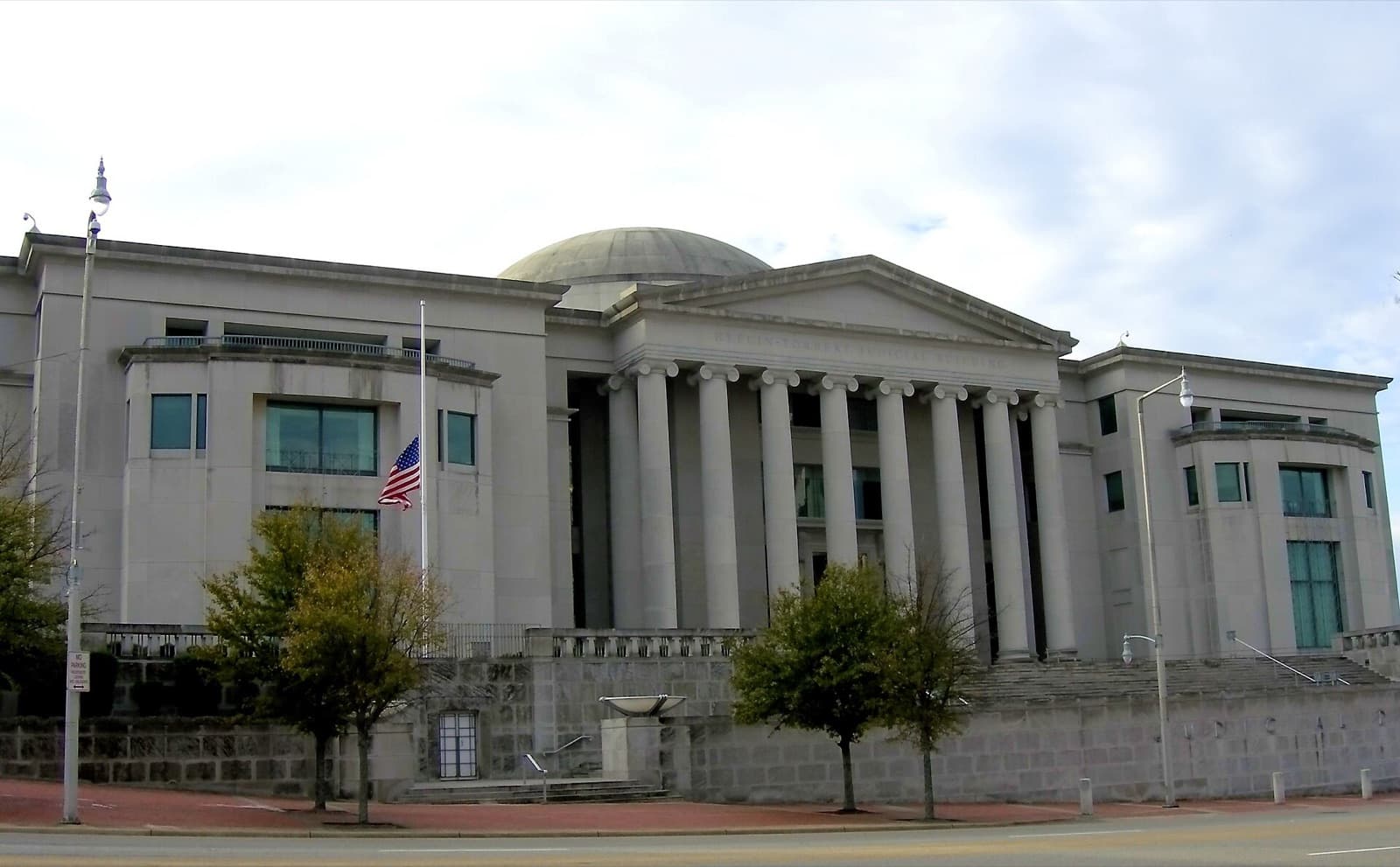
In Alabama, you generally have two years from your lawyer's mistake to file a legal malpractice lawsuit, with a short six month extension if the mistake could not reasonably have been discovered in time, and an absolute four year cutoff. That is one of the tightest deadlines in the country, and the clock usually starts before most people realize anything went wrong.
Every claim against a lawyer in Alabama, whether you call it negligence, fraud, or breach of contract, is governed by the Alabama Legal Services Liability Act (ALSLA), Ala. Code § 6-5-570 and following. This page explains the deadline, what you have to prove, and where to turn if the real problem is a fee or missing money.
Key takeaways.
- Alabama gives you 2 years from the lawyer's act or omission to sue, and never more than 4 years.
- If you could not reasonably have discovered the mistake within 2 years, you get 6 months from discovery, still capped at 4 years.
- Every claim against a lawyer in Alabama runs through the Alabama Legal Services Liability Act (ALSLA), which requires a detailed complaint and usually an expert witness.
- The Client Security Fund can repay stolen money up to $75,000 per person, but it does not pay for malpractice.
- The State Bar's grievance system can discipline a lawyer but cannot recover money or resolve fee disputes.
Check your Alabama claim.
1 of 6
Six quick questions. Free, private, no obligation.
Alabama at a glance.
Compare all states- Deadline to sue
- 2 yearsAla. Code § 6-5-574(a)
- Clock starts
- The two years run from the act, omission, or failure that gives rise to the claim.
- Discovery rule
- Limited
- Paused while lawyer still represents you
- Unsettled
- Outer limit (repose)
- 4 years from the act, omission, or failure (Ala. Code § 6-5-574)
- Expert needed
- Generally required to prove the standard of care (Ala. Code § 6-5-580), with a narrow exception for obvious errors
- Certificate of merit
- Not required, but the complaint must specifically describe each act and omission (Ala. Code § 6-5-579)
- Criminal defense cases
- Unsettled: no controlling Alabama appellate rule verified
- Stolen client money
- Alabama State Bar Client Security Fund
- Malpractice insurance
- Not mandatory; no client disclosure rule verified
General rules only. Tolling, exceptions, and the facts of your case can change the deadline. Verified 2026-09-23.
How long do you have to sue a lawyer in Alabama?
The statute of limitations is in Ala. Code § 6-5-574(a). It says a legal service liability action must be commenced within two years after the act, omission, or failure giving rise to the claim. Alabama's ALSLA requires a malpractice suit within 2 years of the act or omission, or within 6 months of discovery if the claim could not reasonably have been found sooner, and in no event more than 4 years after the act.
Three parts of that rule matter most:
- The two year period. The statute says it runs from the act or omission, not from the day you learned about it. Older Alabama cases started the clock when the client actually suffered a legal injury. In Ex parte Panell (Ala. 1999), a plurality of the Alabama Supreme Court read the statute literally and ran the period from the act itself, and later decisions have noted the conflict without a majority opinion settling it. Assume the earlier date.
- A limited discovery rule. If the claim was not discovered and could not reasonably have been discovered within two years, you get six months from discovery, or from discovering facts that would reasonably lead to it, whichever is earlier.
- A four year statute of repose. Section 6-5-574 says no action may be commenced more than four years after the act, omission, or failure, even if you had no way to know. One narrow exception gives a minor under four until the eighth birthday.
Section 6-5-574(b) also keeps the general Alabama tolling rules in play, subject to the four year cap. That matters when a lawyer hides the mistake. In Jett v. Wooten (Ala. 2012), a client's lawyer told her he had filed her injury suits when he had not. The Alabama Supreme Court applied the fraud saving statute, Ala. Code § 6-2-3, and held her two years did not start until she discovered the truth, so her suit was timely. The Court of Civil Appeals made the same point in Rutledge v. Freeman (2004), and the Supreme Court applied the two year period to a lawyer's misrepresentations about case status in Cockrell v. Pruitt (2016).
We did not find an Alabama appellate decision adopting a separate continuous representation rule, so do not assume the clock waits until your lawyer stops working for you. Our 50-state deadline table compares Alabama to other states.
Alabama deadline rules at a glance
| Rule | Alabama |
|---|---|
| Basic deadline | 2 years from the act or omission |
| Late discovery | 6 months from discovery |
| Outer limit | 4 years from the act, with a narrow exception for young children |
| Concealed mistakes | Clock can start at discovery under § 6-2-3, still capped at 4 years |
What you have to prove in Alabama
The ALSLA is the only form of action against a legal service provider in Alabama. To win, you generally must show an attorney-client relationship, that the lawyer breached the standard of care, that the breach caused your loss, and that you suffered real damages.
Ala. Code § 6-5-580 defines the standard as the reasonable care, skill, and diligence that similarly situated legal service providers in the same general line of practice ordinarily use. In Alabama, expert testimony is generally required to prove a lawyer breached the standard of care, unless the failure is so obvious a layperson could see it. In Valentine v. Watters (2004), the Alabama Supreme Court applied that exception to a lawyer who failed to file a client's registration forms in a class action and who misrepresented his experience, but experts remain the norm. See our guide to malpractice expert witnesses.
Alabama has no certificate of merit, but Ala. Code § 6-5-579 requires the complaint to include a detailed specification and factual description of each act and omission you blame on the lawyer. A vague complaint can be dismissed.
If the mistake happened in a lawsuit, you usually also have to prove the case within a case: that you would have won or done better in the original matter but for the error. Losing is not the same as malpractice, and a reasonable judgment call that did not work out usually is not either. Our guide to what is not malpractice walks through the line.
Damages usually mean the money you lost because of the mistake: the recovery you would have won in the original case, extra fees you paid another lawyer to fix the problem, or the value of a deal or right the lawyer let slip away. A clear error that caused no measurable loss usually does not support a malpractice claim.
Criminal defense malpractice in Alabama
Many states require a former criminal defendant to get the conviction overturned, and sometimes to prove actual innocence, before suing a defense lawyer. We did not find a controlling Alabama appellate decision that sets that rule, so treat it as unsettled. A former defendant in Alabama still faces the same 2 year ALSLA deadline and 4 year outer limit as any other client, and waiting for post-conviction relief does not automatically pause it.
Post-conviction claims of ineffective assistance are a separate track in the criminal courts. See criminal defense malpractice for how the two fit together.
If the problem is fees or missing money
The Alabama State Bar's complaint brochure says fee disputes are not handled by its grievance system because they generally do not raise ethics questions. We did not find a statewide bar fee arbitration program on the State Bar's site, so ask the State Bar or your local bar association whether a fee dispute service is available where you live. Our fee dispute guide covers other options, including small claims.
If your lawyer took your money, the client protection fund is the Alabama State Bar Client Security Fund. It reimburses losses caused by a lawyer's dishonest conduct, such as embezzlement, conversion, or failing to refund an unearned advance fee. It does not pay for incompetence or malpractice, and payments are a matter of grace, not right. The Alabama Client Security Fund caps reimbursement at $75,000 per applicant and $200,000 for all applicants harmed by the same lawyer's conduct. Applications are due within three years after you knew or should have known of the loss, and filing a grievance can extend that window. See stolen client funds for next steps.
Filing a grievance with the Alabama State Bar
Lawyer discipline in Alabama runs through the Alabama State Bar's Office of General Counsel and its Disciplinary Commission, acting for the Supreme Court of Alabama. You file a bar grievance on the bar's complaint form, which must be signed in front of a notary. There is no fee. Bar counsel reviews it, usually sends a copy to the lawyer for a response, and decides whether to open a formal investigation. The bar says most formal investigations take six to eighteen months.
The Alabama State Bar's grievance process cannot recover money damages for you, resolve fee disputes, or give you legal advice about your case. Possible discipline ranges from probation and private or public reprimand to suspension of 45 days to five years, or disbarment. Proceedings stay confidential until a guilty plea or a finding of guilt, and complainants have immunity from suit for filing.
A grievance and a lawsuit are different tools. See malpractice lawsuit vs. bar complaint before choosing.
What to do next in Alabama
- Write down the date of the mistake. With a two year clock and a four year hard stop, days matter.
- Ask for your client file in writing. Our guide on getting your case file explains how.
- Keep every email, bill, and letter that shows what the lawyer told you and when.
- If money is missing, apply to the Client Security Fund and consider a grievance at the same time.
- Talk to a lawyer who handles legal malpractice claims before the deadline, not after.
What to gather before you talk to a lawyer
- The engagement letter or fee agreement.
- Every bill and proof of payment.
- Emails, texts, and letters with the lawyer, especially anything about deadlines or case status.
- Court papers from the original matter, including any dismissal order or judgment.
- A short timeline: when you hired the lawyer, when the mistake happened, when you found out, and when the lawyer stopped working for you.
A malpractice lawyer will usually check that timeline against the Alabama deadline first, because a late claim cannot be saved no matter how strong it is.
If you think your lawyer's mistake cost you, a free case review takes about two minutes and can connect you with an independent attorney in Alabama.
Common questions.
How long do I have to sue my lawyer in Alabama?
Under Ala. Code § 6-5-574, you generally have two years from the lawyer's act or omission. If you could not reasonably have discovered the problem within two years, you get six months from discovery. No suit can be filed more than four years after the act.
Do I need an expert to sue a lawyer in Alabama?
Usually yes. Alabama courts generally require expert testimony to show that a lawyer fell below the standard of care set out in Ala. Code § 6-5-580. A narrow exception applies only when the error is obvious to an ordinary person.
Where do I file a complaint against a lawyer in Alabama?
Complaints go to the Alabama State Bar's Office of General Counsel and Disciplinary Commission in Montgomery, using the bar's notarized complaint form. Filing is free. The bar can discipline a lawyer but cannot recover money for you.
Can I get money back if my Alabama lawyer stole from me?
You can apply to the Alabama State Bar Client Security Fund, which reimburses losses from a lawyer's dishonest conduct up to $75,000 per applicant. It does not cover malpractice or incompetence. Applications are generally due within three years after you knew or should have known of the loss.
What if my Alabama lawyer hid the mistake from me?
Alabama applies its fraud saving statute to legal malpractice claims, so concealment can delay the start of the two year period until you discover the truth. In Jett v. Wooten (2012), a client who was told suits had been filed was allowed to sue after learning otherwise. The four year outer limit still applies.
Does the Alabama State Bar handle fee disputes?
No. The State Bar says its grievance system does not handle fee disputes because they usually are not ethics issues. Ask your local bar association whether it offers fee dispute help, or consider small claims court for smaller amounts.
Sources.
Statutes, court rules, appellate opinions, and bar publications we relied on. See our editorial standards.
- 1.Ala. Code § 6-5-574 (Justia)
- 2.Alabama Code Title 6, Chapter 5, Article 30, Legal Service Liability Actions (Justia)
- 3.Jett v. Wooten, Supreme Court of Alabama (2012)
- 4.Roberson v. Balch & Bingham, LLP, Supreme Court of Alabama (2021), quoting § 6-5-574(a)
- 5.Ex parte Panell, Supreme Court of Alabama (1999)
- 6.Valentine v. Watters, 896 So. 2d 385 (Ala. 2004)
- 7.Cunningham Bounds, Cockrell v. Pruitt and the ALSLA statute of limitations
- 8.Primerus, Legal Malpractice Compendium (Alabama section, March 2016)
- 9.Alabama State Bar, Client Security Fund
- 10.Alabama State Bar, Complaint Against a Lawyer brochure and form
- 11.Alabama State Bar, For the Public