Colorado legal malpractice law
How to sue your lawyer in Colorado.
Colorado gives you 2 years to sue a lawyer for negligence, starting when you knew or should have known of the injury and its cause. Here are the rules.
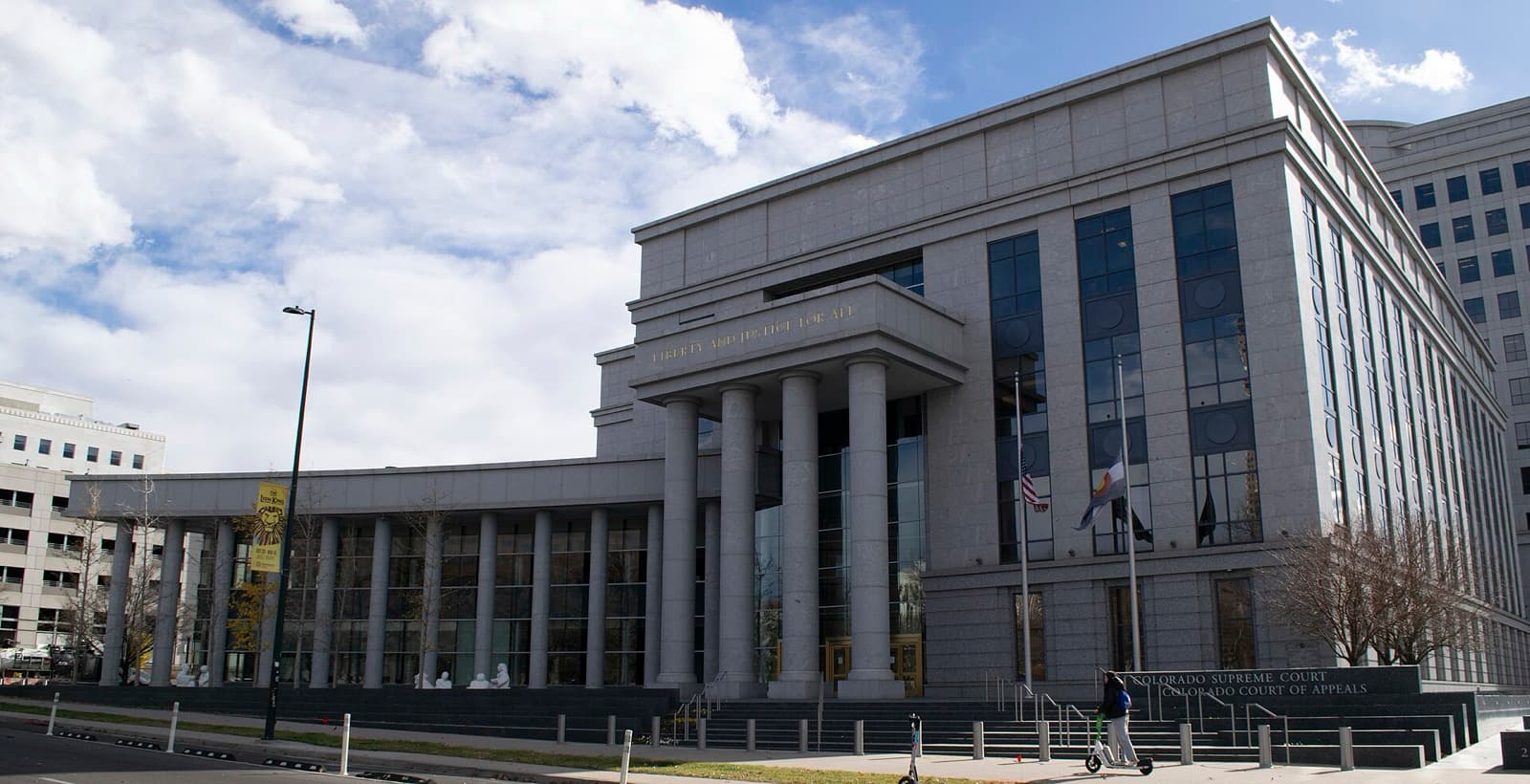
In Colorado, you generally have two years to sue a lawyer for legal malpractice based on negligence, and the clock starts when you knew or should have known both that you were injured and what caused it. Claims framed as breach of fiduciary duty or breach of contract can carry a three year period, but most malpractice cases are negligence claims.
Colorado also requires a certificate of review in most cases, which means consulting an expert early. Here is how the deadline, the proof, and the state's complaint and reimbursement programs work.
Key takeaways.
- Colorado gives you 2 years to sue a lawyer for professional negligence, counted from when you knew or should have known of the injury and its cause.
- Your attorney must file a certificate of review within 60 days after serving the complaint when expert testimony is needed.
- Colorado does not make a former criminal defendant win postconviction relief first, but seeking that relief does not pause the 2 year clock.
- In a lost judgment case, you also have to prove the judgment would have been collectible.
- The Attorneys' Fund for Client Protection pays up to $50,000 per claim for lawyer theft, not for malpractice.
Check your Colorado claim.
1 of 6
Six quick questions. Free, private, no obligation.
Colorado at a glance.
Compare all states- Deadline to sue
- 2 yearsColo. Rev. Stat. § 13-80-102(1)(a); accrual under § 13-80-108(1)
- Clock starts
- The two years start when both the injury and its cause are known or should have been known through reasonable diligence.
- Discovery rule
- Yes
- Paused while lawyer still represents you
- Unsettled
- Outer limit (repose)
- None specific to legal malpractice verified
- Expert needed
- Required except in clear and palpable cases, such as a missed statute of limitations
- Certificate of merit
- Certificate of review required within 60 days after service when expert testimony is needed (Colo. Rev. Stat. § 13-20-602)
- Criminal defense cases
- Postconviction relief is not a prerequisite (Rantz v. Kaufman, 2005), and seeking it does not toll the deadline (Morrison v. Goff, 2004)
- Stolen client money
- Colorado Attorneys' Fund for Client Protection
- Lawyer discipline
- Colorado Office of Attorney Regulation Counsel
- Malpractice insurance
- Not mandatory; lawyers must tell new clients in writing if they lack $100,000 per claim / $300,000 aggregate coverage (Colo. RPC 1.4(c))
General rules only. Tolling, exceptions, and the facts of your case can change the deadline. Verified 2026-09-23.
How long do you have to sue a lawyer in Colorado?
Negligence claims against lawyers fall under the two year statute of limitations in Colo. Rev. Stat. § 13-80-102(1)(a). Under § 13-80-108(1), a claim accrues on the date both the injury and its cause are known or should have been known through reasonable diligence. That is Colorado's discovery rule. In Colorado, you must sue a lawyer for negligence within 2 years after you knew, or should have known, of both the injury and its cause.
The Colorado Supreme Court applied that rule strictly in Morrison v. Goff, 91 P.3d 1050 (Colo. 2004). The former client had discovered his lawyer's alleged negligence when he filed a disciplinary complaint, then waited more than two years to sue. The court held the claim was time barred.
According to an article in The Colorado Lawyer, claims for breach of fiduciary duty have a three year period, and fee disputes that do not question the lawyer's competence are better brought as three year contract claims. Do not count on relabeling a negligence case to buy time.
We did not find a Colorado appellate decision adopting a continuous representation rule, and we found no statute of repose specific to legal malpractice. Treat the two year discovery deadline as the one that counts. See the 50-state deadline table.
Colorado deadline rules at a glance
| Rule | Colorado |
|---|---|
| Negligence claims | 2 years (§ 13-80-102(1)(a)) |
| Clock starts | When the injury and its cause were known or should have been |
| Certificate of review | Within 60 days after service |
| Criminal appeals | Do not pause the clock (Morrison v. Goff) |
What you have to prove in Colorado
A Colorado plaintiff must prove the lawyer owed a duty, breached the standard of care, and caused damages. The standard compares the lawyer's conduct with what lawyers practicing at the same time would have done in similar circumstances. In Colorado, expert testimony is needed to prove a lawyer's standard of care except in clear and palpable cases, such as missing a statute of limitations.
Colorado's certificate of merit is called a certificate of review. Under Colo. Rev. Stat. § 13-20-602, the plaintiff's attorney must file one within sixty days after serving the complaint on a licensed professional, declaring that they consulted someone with expertise who reviewed the facts and concluded the claim does not lack substantial justification. Colorado appellate courts have limited the requirement to claims that need expert testimony to make a prima facie case.
When the mistake cost you a lawsuit, you must prove the case within a case. According to The Colorado Lawyer, the Colorado Supreme Court's decision in LeHouillier v. Gallegos (2019) also requires proof of collectibility: the lost judgment has to have been one you could actually have collected. See what a malpractice case is worth.
Damages usually mean the money you lost because of the mistake: the recovery you would have won in the original case, extra fees you paid another lawyer to fix the problem, or the value of a deal or right the lawyer let slip away. A clear error that caused no measurable loss usually does not support a malpractice claim.
Criminal defense malpractice in Colorado
Colorado departs from the majority rule. In Rantz v. Kaufman, 109 P.3d 132 (Colo. 2005), the Colorado Supreme Court held that obtaining postconviction relief is not a prerequisite to suing a criminal defense lawyer. The court noted that a final denial of postconviction relief can have preclusive effect on the malpractice claim, and that trial courts may stay a malpractice case while criminal proceedings finish.
In Colorado, a former criminal defendant's direct appeal or postconviction motion does not toll the 2 year malpractice deadline (Morrison v. Goff, 2004). File on time and ask for a stay if needed. See criminal defense malpractice and ineffective assistance vs. malpractice.
If the problem is fees or missing money
For billing fights, the Office of Attorney Regulation Counsel points clients to the Colorado Bar Association's Legal Fee Arbitration Committee, which helps lawyers and clients resolve fee disputes. Contact the committee for its current rules on cost and whether an award will be binding. Our fee arbitration guide covers how to prepare.
If a lawyer took your money, apply to the Colorado Attorneys' Fund for Client Protection, the state's client protection fund. It covers theft, embezzlement, conversion, refusal to refund unearned fees and cost deposits, and borrowing from a client with no intent or ability to repay. The Colorado Attorneys' Fund for Client Protection pays up to $50,000 per claim and $100,000 for all claims against one attorney, and claims must be filed within 3 years of when you knew or should have known of the dishonest conduct. Fee disputes, bad investments, and malpractice are not covered. See stolen client funds.
Filing a grievance with the Office of Attorney Regulation Counsel
Colorado's Office of Attorney Regulation Counsel enforces the Colorado Rules of Professional Conduct. You can start a bar grievance by phone or with the online complaint form. The central intake division, staffed by attorneys and non-lawyer investigators, reviews it, and someone typically contacts you within 7 to 14 days. Anonymous complaints are not accepted.
The attorney assigned to your complaint does not represent you and cannot help with your legal matter, and the office cannot review a judge's decision. A Colorado attorney grievance does not pause the 2 year malpractice deadline; in Morrison v. Goff the client's grievance filing marked the date his claim accrued. Read malpractice vs. a bar complaint.
Colorado also has a malpractice insurance disclosure rule. Under Colorado Rule of Professional Conduct 1.4(c), a lawyer in private practice must tell a new client in writing if they are not covered for at least $100,000 per claim and $300,000 per year.
What to do next in Colorado
- Identify when you first knew of the injury and its cause. That date likely started your two years.
- Request your client file in writing. See how to get your case file.
- Plan for an expert early, because a certificate of review is due within 60 days of service.
- Keep proof of what the other side in your original case owned, since collectibility matters.
What to gather before you talk to a lawyer
- The engagement letter or fee agreement.
- Every bill and proof of payment.
- Emails, texts, and letters with the lawyer, especially anything about deadlines or case status.
- Court papers from the original matter, including any dismissal order or judgment.
- A short timeline: when you hired the lawyer, when the mistake happened, when you found out, and when the lawyer stopped working for you.
A malpractice lawyer will usually check that timeline against the Colorado deadline first, because a late claim cannot be saved no matter how strong it is.
If you think your lawyer's mistake cost you, a free case review takes about two minutes and can connect you with an independent attorney who handles legal malpractice claims in Colorado.
Common questions.
How long do I have to sue my lawyer in Colorado?
Generally two years for a negligence claim under Colo. Rev. Stat. § 13-80-102(1)(a). The clock starts when you knew or should have known of both the injury and its cause. Some fiduciary duty and contract claims have three years.
Do I need an expert to sue a lawyer in Colorado?
Usually. Expert testimony is required except in clear and palpable cases such as a missed filing deadline. When an expert is needed, your attorney must file a certificate of review within 60 days after serving the complaint.
Can I sue my criminal defense lawyer in Colorado without being exonerated?
Yes. Rantz v. Kaufman (2005) held postconviction relief is not a prerequisite. But pursuing an appeal or postconviction motion does not stop the two year clock, so you may need to file and ask the court for a stay.
Where do I file a complaint against a lawyer in Colorado?
Contact the Office of Attorney Regulation Counsel by phone or its online complaint form. Its intake division reviews the complaint, but it cannot represent you or recover money.
How much can the Colorado client protection fund pay?
The Attorneys' Fund for Client Protection pays up to $50,000 per claim and $100,000 for all claims against one attorney. It covers dishonest conduct like theft, not malpractice or fee disputes.
Sources.
Statutes, court rules, appellate opinions, and bar publications we relied on. See our editorial standards.
- 1.The Colorado Lawyer, Legal Malpractice Under Colorado Law
- 2.Morrison v. Goff, 91 P.3d 1050 (Colo. 2004) (FindLaw)
- 3.Rantz v. Kaufman, 109 P.3d 132 (Colo. 2005) (FindLaw)
- 4.Colo. Rev. Stat. § 13-20-602, certificate of review (text quoted by J.D. Porter law)
- 5.Colorado Judicial Branch, Rule 1.4 (including 1.4(c) insurance disclosure)
- 6.Colorado Office of Attorney Regulation Counsel, Attorneys' Fund for Client Protection FAQ
- 7.Colorado Office of Attorney Regulation Counsel, Fee Disputes
- 8.Colorado Office of Attorney Regulation Counsel, File a Complaint Against an Attorney